
Perfection Is Ruining Your Health
Why Consistency Beats a Flawless Routine
I know that title sounds dramatic. Hear me out.
At some point during almost every appointment, a patient tells me some version of "I haven't really been following the protocol" or "I haven't really done anything."

And then we actually walk through it…
They took their supplements five days that week.
They drank more water than they used to.
They ate breakfast most mornings.
They walked a few times.
They went to bed earlier a couple nights.
In reality, they're making changes. They just aren't doing them perfectly.
And because the effort is imperfect, they decide it doesn't count.
I think this is one of the biggest reasons people struggle to build sustainable health routines.
Why Does Perfection Make Health Routines So Fragile?
Perfection only works when life is calm, organized, predictable, and cooperative. The second real life happens, the routine collapses.
One missed workout. One weekend off schedule. One forgotten supplement. One stressful week.
Suddenly it feels like failure.
What Does Consistency Actually Look Like?
Consistency is not "I do this perfectly every single day."
Consistency is "I return to this habit regularly."
That's a much more resilient skill, and honestly, I think it's the thing that actually changes health over time. The body responds to repeated patterns, not occasional perfection.
More women would make progress if they stopped trying to create perfect routines and started creating repeatable ones.
How Can You Build Systems That Actually Support Consistency?
This is why I love low friction systems.
Anything that makes a habit simpler matters, because the more seamless it feels, the more likely it is to survive real life.
The women who stay consistent are rarely relying on motivation alone. More often, they've built systems that make healthy habits easier to return to.
A few of my favorites:

Fill pill containers while watching TV on Sunday night, so supplements are ready for the week.
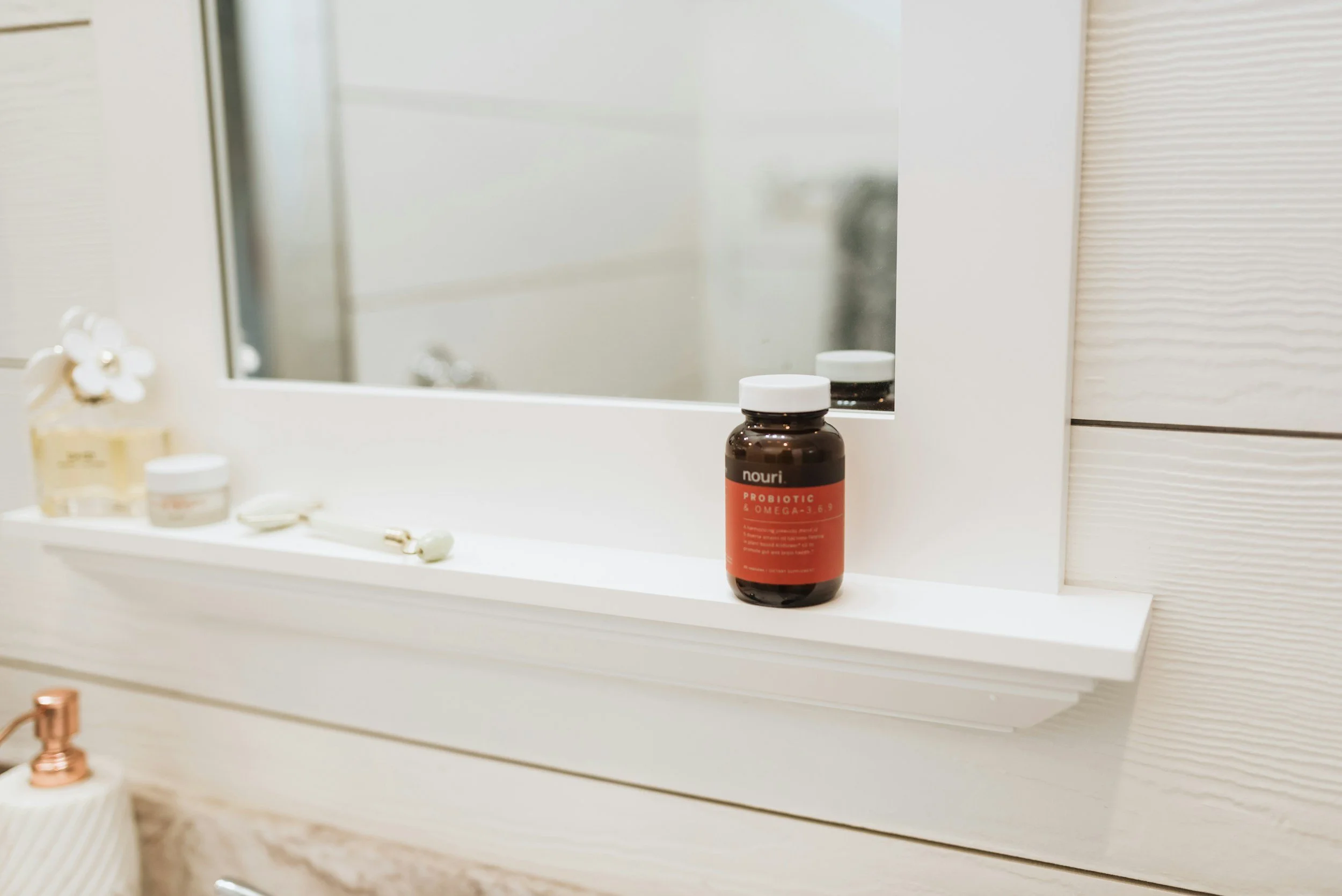
Leave those supplements somewhere visible instead of tucked in a cabinet. Visual cues mean you don't have to rely on remembering.

Pair habits together. Drink a glass of water while coffee brews. Stretch while watching TV. Walk while calling a friend.
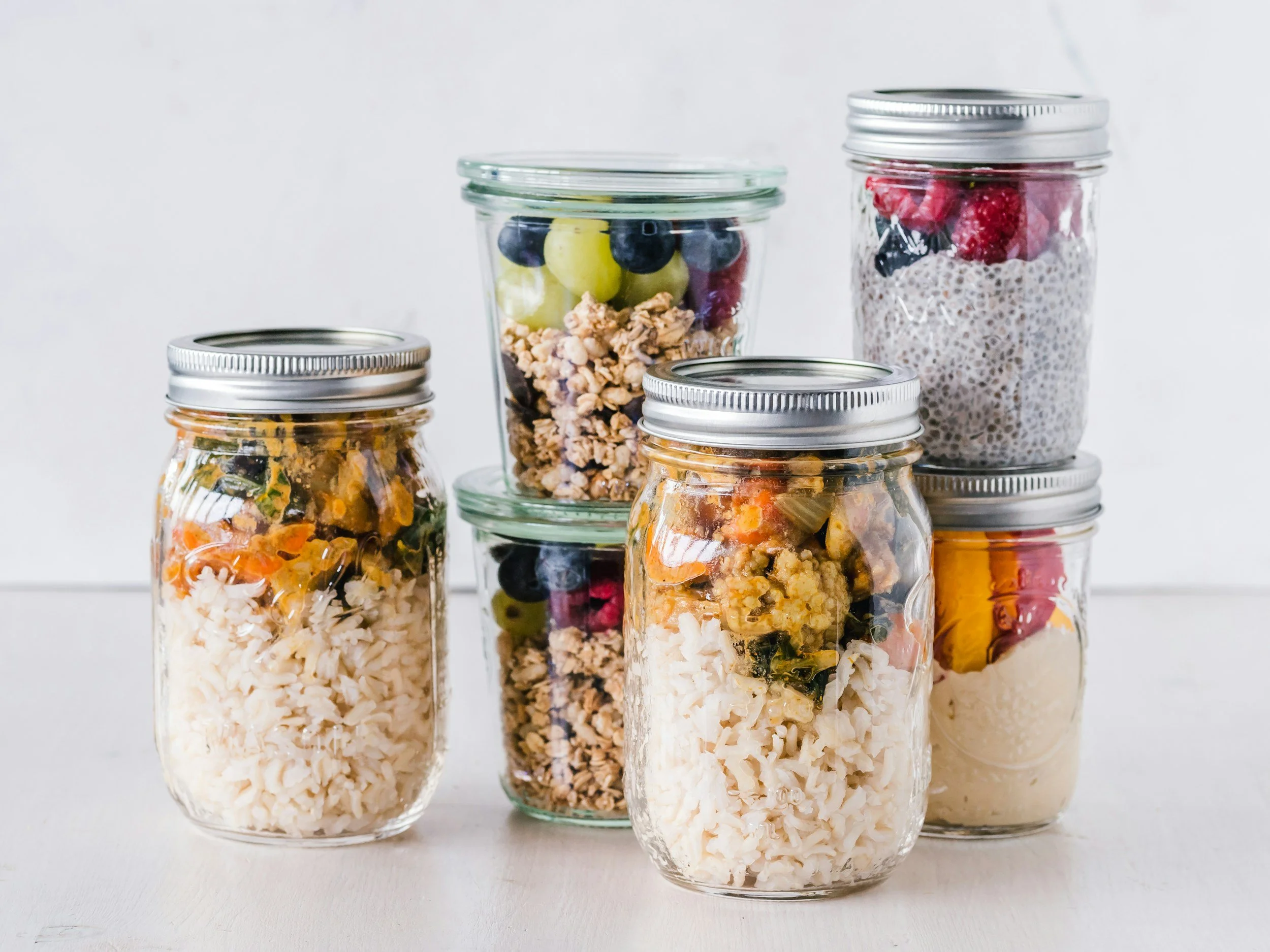
Make habits smaller instead of abandoning them. Five minutes still counts. One balanced meal still counts. A shorter walk still counts.
Where Does Sustainable Change Actually Happen?
Consistency builds momentum. Perfection builds pressure. Those lead to very different outcomes over time.
Pressure makes people quit the second they can't do something flawlessly. Momentum keeps people moving, even after imperfect days.
When I look at the women who make the most meaningful long-term progress, they usually aren't the ones doing everything perfectly. They're the ones who keep returning to the basics, who stop treating one imperfect day like failure, who understand that steady support does more than short bursts of intensity ever will.
That's where sustainable change happens. Not in perfection. In repetition.
If this sounds familiar, and you're tired of trying to piece your health together alone, you're always welcome to book a free Discovery Call and we can talk through what's actually going on and where to start.
Want steady support instead of another routine to fall short of?
My weekly emails are built around this same idea: real, repeatable steps, not perfect ones.