
Can Low Iron Affect Your Sleep?
The Connection I Didn't See Coming
If you've been sleeping poorly, you're not alone. Sleep comes up in my appointments constantly.
That's why I was surprised when a patient once told me, "I've been sleeping so much better since starting the iron."
We had started supplementing iron because her ferritin, a marker of iron stores, was low.
I expected her to tell me she had more energy or wasn't getting winded as easily.
Sleep wasn't even on my radar. I'd never had a patient make that connection before.
That sent me looking through the research.

How Does Iron Affect Sleep?
We tend to think of iron as something that's only important for making red blood cells and preventing anemia.
That's only part of the story.
Iron also plays an important role in how the brain functions. It's involved in producing neurotransmitters like dopamine, serotonin, and noradrenaline, all of which help regulate the sleep-wake cycle.
When iron stores are low, those systems may not work as efficiently.
Researchers have found that low ferritin is associated with poorer sleep quality and can influence how the brain moves through the different stages of sleep, including REM sleep, the stage that's important for learning, memory, and emotional processing.

Low iron stores can leave you tired during the day. They may also make it harder to get the restorative sleep your body needs at night.
Should You Start Taking Iron to Sleep Better?
The last thing I want you to do is read this and run out to buy an iron supplement.
Iron is one of those nutrients where more isn't always better. If your iron stores are already adequate, extra iron isn't likely to improve your sleep and can even cause problems.
Instead, let this be a reminder that symptoms often have more than one possible explanation. That's why a foundations-first approach looks at labs like ferritin in context before anyone adds another supplement.
Why Check Ferritin Along With Iron?
This is one of the reasons I never order an iron level without ferritin.
I see women all the time who have "normal" iron levels but ferritin levels that tell a very different story.
I was once told my own iron was "fine." Technically, my blood levels of iron were. My ferritin was in the single digits.
I wasn't anemic, but my iron stores were nearly gone.
Ferritin is often one of the earliest signs that your iron stores are being depleted, long before someone develops anemia.
What's interesting is that the ferritin levels associated with sleep concerns, restless legs syndrome, and even hair loss are often much higher than the level used to diagnose iron deficiency anemia.
That's why I never want to know someone's iron level without knowing their ferritin, too.
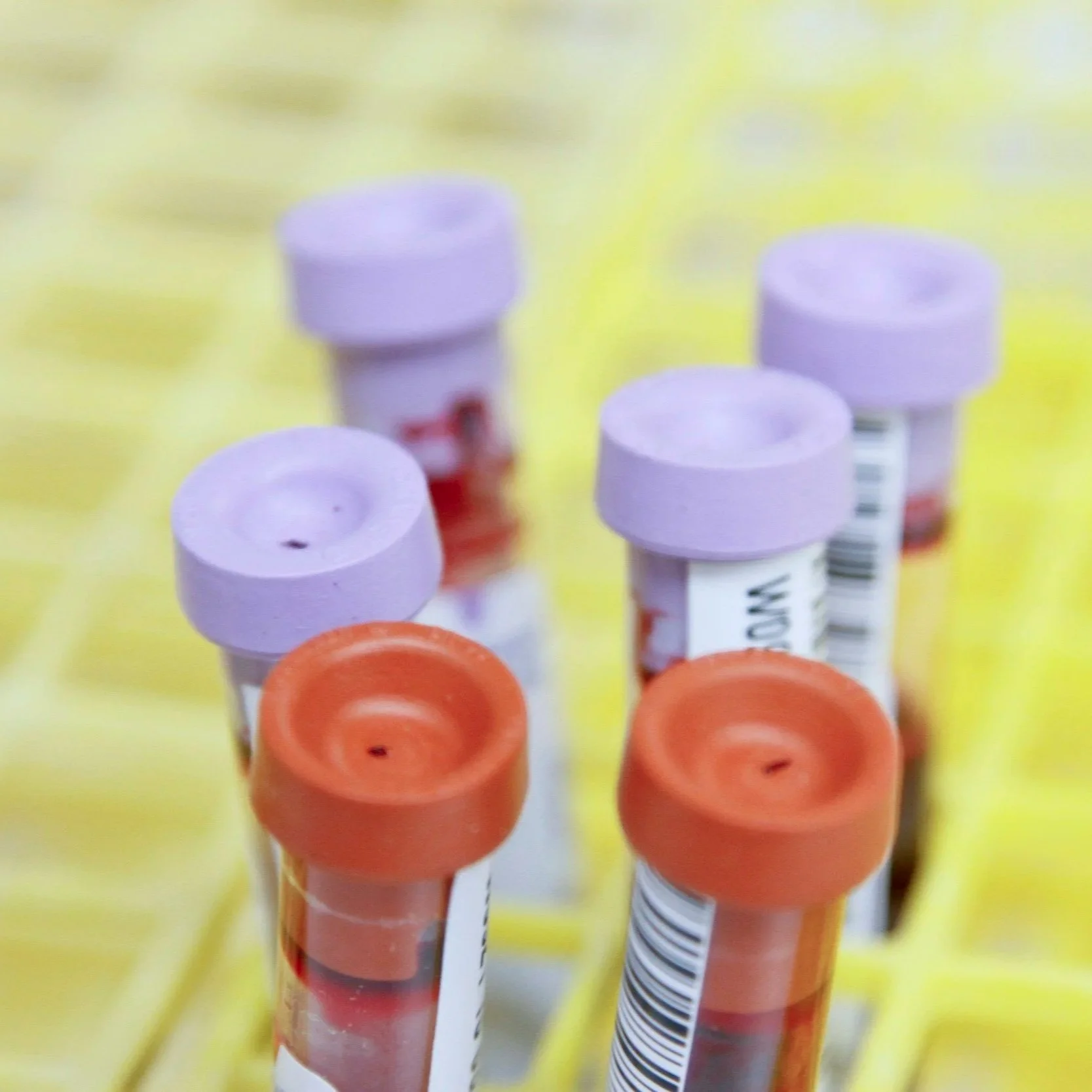
The better question than "Are you anemic?" is "Do your iron stores match how your body is trying to function?"
When Is It Worth Asking About Your Ferritin?
If your sleep has changed, especially alongside fatigue, heavy periods, hair loss, restless legs, or feeling more winded than usual, it may be worth asking whether your iron stores have been checked.
Sometimes the missing piece has less to do with another sleep supplement and more to do with understanding why your sleep changed in the first place.
Frequently Asked Questions
Can low iron affect sleep?
It may. Iron is involved in producing dopamine, serotonin, and noradrenaline, which help regulate the sleep-wake cycle, and low ferritin is associated with poorer sleep quality and changes in sleep stages, including REM sleep.
What is ferritin, and why does it matter?
Ferritin is a marker of your iron stores. It's often one of the earliest signs of depletion, showing up long before anemia develops, which is why I check it alongside an iron level.
Can my iron level be normal if my ferritin is low?
Yes. Blood iron can look fine while ferritin is very low. The ferritin levels associated with sleep concerns, restless legs, and hair loss are often much higher than the level used to diagnose iron deficiency anemia.
Should I take an iron supplement if I'm not sleeping well?
Not before checking your iron stores. If they're already adequate, extra iron isn't likely to improve your sleep and can cause problems. It's worth asking about, especially if heavy periods, fatigue, hair loss, restless legs, or feeling winded come along with poor sleep.
Curious what else your labs might be saying?
Join my email list for weekly guidance that connects the dots between your symptoms and your labs.